

In a world full of Instagram-worthy inspiration and Pinterest-perfect motivation, we’re often left wondering why all those beautiful quotes haven’t actually changed our lives. The truth? Positivity without action is just wishful thinking. While traditional positive quotes might make us feel good momentarily, they rarely push us to make meaningful changes in our daily routines.
This collection is different. Each quote has been specifically selected not just to inspire warm feelings, but to ignite immediate action. Every piece of wisdom comes paired with a concrete challenge designed to transform abstract motivation into tangible results. Whether you’re looking to advance your career, improve your health, strengthen relationships, or simply become more resilient in the face of life’s challenges, these quotes provide a practical roadmap.
Consider this article your personal action plan—a way to harness positivity not just as a temporary emotional boost but as a catalyst for real transformation. Don’t just read these quotes; live them. Take on the challenges, track your progress, and watch as small, intentional actions compound into life-changing results.
Theme 1: Quotes That Inspire Personal Transformation
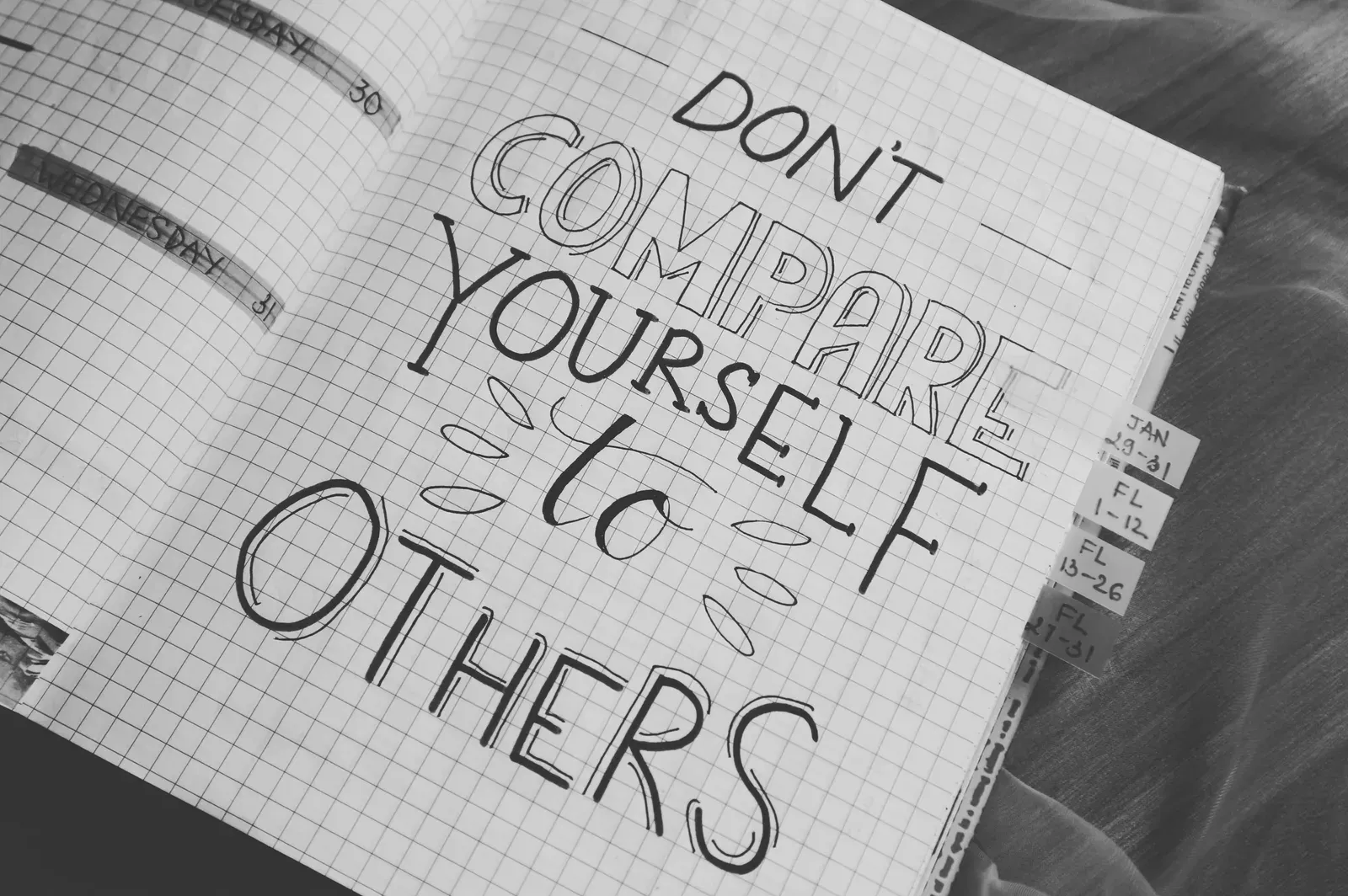
- “Your life does not get better by chance, it gets better by change.” - Jim Rohn
Life rarely improves through passive waiting. This quote from personal development pioneer Jim Rohn reminds us that meaningful improvement requires deliberate action. When we actively pursue change rather than hoping for favorable circumstances, we take control of our destiny.
Action Challenge: Identify one aspect of your life that you’ve been waiting to “magically improve” and create a three-step action plan to begin changing it today. Whether it’s your financial situation, fitness level, or creative expression, breaking the pattern of passivity is your first step toward transformation.
2. “The best way to predict your future is to create it.” - Abraham Lincoln
While often attributed to Lincoln, this quote embodies a timeless truth regardless of its origin: we are the architects of our own destiny. Rather than trying to forecast what might happen based on current circumstances, this wisdom encourages us to actively design the future we desire.
Action Challenge: Draft a “Future Creation Blueprint” by writing down where you want to be in one year. Then work backward, creating monthly milestones that will lead you there. Place this document somewhere you’ll see it daily as a reminder of your commitment to creating—not predicting—your future.
3. “You don’t have to be great to start, but you have to start to be great.” - Zig Ziglar
Perfectionism keeps many of us stuck at the starting line. Ziglar’s insight liberates us from the pressure of flawless beginnings while emphasizing that nothing happens until we take that first imperfect step. Excellence is a journey that begins with action, not a prerequisite for it.
Action Challenge: Choose that project you’ve been postponing until you feel “ready enough” and commit to spending just 15 minutes on it today. Set a timer and focus solely on starting—not finishing perfectly. Document how it feels to begin despite imperfection.
4. “The only person you are destined to become is the person you decide to be.” - Ralph Waldo Emerson
Emerson’s profound statement challenges fatalistic thinking and puts the power of self-determination squarely in our hands. Your identity is not fixed by circumstances but shaped by choices. Each decision, no matter how small, contributes to who you become.
Action Challenge: Create a “Decision Diary” where you record one intentional choice daily that aligns with the person you’re deciding to become. After two weeks, review your entries to see patterns of identity-shaping decisions emerge.
5. “What you do today can improve all your tomorrows.” - Ralph Marston
This quote beautifully captures the compound effect of daily actions. Small improvements today create ripple effects that expand over time. Every positive choice, however modest, plants seeds for future growth and opportunity.
Action Challenge: Identify three “future-improving actions” you can take today in less than 10 minutes each. They might be as simple as drinking an extra glass of water, sending an important email, or practicing five minutes of mindfulness. Execute all three before bedtime.
6. “Dreams don’t work unless you do.” - John C. Maxwell
Maxwell’s straightforward wisdom cuts through aspirational fluff with a simple truth: dreams require work to materialize. While visualization and positive thinking have their place, they must be coupled with consistent effort to produce results.
Action Challenge: Choose your most important dream and identify one concrete task that would move it forward. Schedule a specific 30-minute block this week dedicated exclusively to this task—no distractions, no excuses.
7. “The difference between who you are and who you want to be is what you do.” - Unknown
This anonymous quote elegantly bridges the gap between aspiration and reality. The space between your current and ideal self is filled not with wishes but with actions. Every choice either widens or narrows this gap.
Action Challenge: Create a two-column list titled “Who I Am Now vs. Who I Want to Be.” In the middle, draw arrows and write specific actions that will help you evolve from your current to your desired state. Circle one action to implement immediately.
8. “Don’t wait for opportunity. Create it.” - George Bernard Shaw
Shaw’s quote challenges the passive approach to opportunity. Rather than waiting for the perfect moment to present itself, we can actively generate favorable circumstances through initiative and resourcefulness.
Action Challenge: Identify an opportunity you’ve been waiting to “come along” and brainstorm three ways you could create it yourself within the next month. Act on at least one of these ideas within 48 hours.
9. “The best time to plant a tree was 20 years ago. The second best time is now.” - Chinese Proverb
This proverb elegantly addresses the regret we often feel about past inaction while simultaneously offering the perfect solution: start now. It acknowledges that while we can’t change the past, immediate action is always the next best option.
Action Challenge: What have you been postponing that you wish you’d started earlier? Commit to a 10-minute “planting session” today—a small but concrete beginning that acknowledges it’s never too late to start.
10. “Your future is created by what you do today, not tomorrow.” - Robert Kiyosaki
Financial educator Kiyosaki emphasizes that tomorrow’s outcomes are determined by today’s actions. Procrastination doesn’t just delay progress—it actively shapes a future with fewer possibilities.
Action Challenge: Create a “Future Creation Power Hour” by blocking off 60 minutes today to work on your most important long-term goal. Set a calendar reminder for the same time next week to establish a pattern of present-focused action.
11. “Be not afraid of growing slowly; be afraid only of standing still.” - Chinese Proverb
This wisdom from ancient China reframes our expectations around progress. Slow advancement is still advancement—the real danger lies in complete stagnation. Every small step forward, however modest, is cause for celebration rather than frustration.
Action Challenge: Choose a skill or project where you’ve felt stuck due to slow progress. Set a “minimum viable progress” goal—an amount so small it’s almost impossible to fail—and commit to achieving at least this much daily for one week.
12. “You are never too old to set another goal or to dream a new dream.” - C.S. Lewis
Lewis reminds us that age should never limit our capacity for growth and reinvention. New beginnings remain possible throughout our entire lives, and fresh aspirations can energize us at any stage.
Action Challenge: Create a “Never Too Late” list of three things you’ve thought you missed your chance to pursue. Choose one and take an initial step this week—research a class, reach out to a mentor, or schedule practice time.
Theme 2: Quotes for Breaking Through Procrastination

- “The secret of getting ahead is getting started.” - Mark Twain
Twain captures a fundamental truth about achievement: momentum begins with initiation. The simple act of beginning breaks inertia and creates forward motion, often revealing that starting was the hardest part.
Action Challenge: Identify your most procrastinated task and commit to a 5-minute starting ritual. Set a timer and work on just the first step, with permission to stop after five minutes (though you’ll likely want to continue once you’ve begun).
14. “You don’t have to see the whole staircase, just take the first step.” - Martin Luther King Jr.
Dr. King’s wisdom applies beyond social justice to all areas requiring courage to begin despite uncertainty. Complete clarity is rarely available at the outset of any worthwhile journey. Action creates clarity, not the other way around.
Action Challenge: List a goal where uncertainty has kept you from starting. Identify just the first step—nothing more—and complete it today. Document any new clarity that emerges from taking action.
15. “Until you value yourself, you won’t value your time. Until you value your time, you will not do anything with it.” - M. Scott Peck
Peck reveals the profound connection between self-worth, time management, and accomplishment. How we spend our time reflects how we value ourselves. Procrastination often stems from a deeper issue of not honoring our own potential.
Action Challenge: Create a “Time Dignity” practice by setting a timer for 25 minutes dedicated to your most important work. During this time, eliminate all distractions as an act of self-respect. Notice how valuing your time changes your focus and productivity.
16. “The way to get started is to quit talking and begin doing.” - Walt Disney
Disney, who built an entertainment empire from humble beginnings, cut straight to the heart of procrastination: excessive discussion often substitutes for actual progress. Talk generates the illusion of movement without real advancement.
Action Challenge: Identify a project you’ve been “talking about” for weeks or months. Set a 24-hour moratorium on discussing it with anyone, and instead use that energy to complete one tangible task related to it.
17. “If you spend too much time thinking about a thing, you’ll never get it done.” - Bruce Lee
The martial arts master understood that overthinking leads to paralysis. Mental rehearsal has value, but beyond a certain point, continued analysis becomes a sophisticated form of avoidance.
Action Challenge: Choose a decision you’ve been overthinking and set a “Decision Timer” for 5 minutes. When the timer ends, make your choice and immediately take one action based on it. Notice the mental freedom that comes from decisive action.
18. “Someday is not a day of the week.” - Janet Dailey
Dailey’s quip humorously exposes the fallacy of indefinite postponement. “Someday” is procrastination disguised as planning. Without specific timing, intentions rarely materialize into action.
Action Challenge: Review your mental “someday” list and select one item to rescue from procrastination purgatory. Schedule it for a specific day and time within the next seven days, treating this appointment with the same commitment as you would a job interview.
19. “You can’t build a reputation on what you’re going to do.” - Henry Ford
Ford, who revolutionized manufacturing, knew that intentions mean nothing without execution. Our reputations—both in others’ eyes and in our own self-perception—are built exclusively on completed actions, not planned ones.
Action Challenge: Select one thing you’ve been saying you’ll do that would enhance your personal or professional reputation. Complete it within 48 hours and share the accomplishment with someone who matters to you.
20. “The only difference between success and failure is the ability to take action.” - Alexander Graham Bell
Bell, the inventor of the telephone, distilled achievement to its essence. Action is the great differentiator between those who realize their potential and those who merely contemplate it. Ideas without implementation remain forever in the realm of fantasy.
Action Challenge: Identify a “success gap” where inaction has prevented you from achieving a goal. Create an “Action Bridge” by listing three concrete steps to cross that gap, then complete the first step before day’s end.
21. “Done is better than perfect.” - Sheryl Sandberg
Facebook COO Sandberg highlights a truth that’s particularly relevant for perfectionists: completion creates value that perpetual refinement cannot. Imperfect action moves you forward, while perfection often keeps you stuck.
Action Challenge: Choose a project where perfectionism has blocked completion. Define a “good enough” standard and finish it according to that benchmark within one week. Notice the benefits of having something completed versus something perpetually in progress.
22. “You miss 100% of the shots you don’t take.” - Wayne Gretzky
Hockey legend Gretzky provides a statistical certainty: non-action guarantees non-achievement. While action doesn’t ensure success, inaction ensures failure with absolute certainty. The odds always favor those who act.
Action Challenge: Identify an opportunity you’ve hesitated to pursue due to fear of failure. Calculate the “miss rate” of not taking action (100%) versus the possibility of success with action. Take the shot within 72 hours based on this rational calculation.
23. “Start where you are. Use what you have. Do what you can.” - Arthur Ashe
Tennis champion and activist Ashe offers a three-part formula for overcoming procrastination: begin from your actual position, utilize available resources, and take feasible actions. This approach eliminates excuses based on ideal but unavailable conditions.
Action Challenge: Apply Ashe’s formula to a goal you’ve delayed due to “not being ready.” Map out your current position, inventory your available resources, and list three doable actions. Complete one action today using only what you currently have.
24. “The most effective way to do it, is to do it.” - Amelia Earhart
Aviation pioneer Earhart cut through overthinking with elegant simplicity. Direct action tends to be more effective than elaborate planning or strategizing about action. Often, the most efficient methodology is straightforward execution.
Action Challenge: Identify a task you’ve been complicating with excessive planning. Set a 30-minute “Just Do It” session where you focus exclusively on execution rather than optimization. Record what you accomplish when you simply begin.
Theme 3: Quotes to Fuel Professional Growth and Career Advancement
25. “The question isn’t who is going to let me; it’s who is going to stop me.” - Ayn Rand
Rand’s assertion transforms professional mindset from seeking permission to claiming autonomy. Self-authorization trumps external validation when pursuing career advancement. Waiting to be chosen often means waiting indefinitely.
Action Challenge: Identify one professional opportunity you’ve been waiting for someone to “let” you pursue. Reframe it as a self-directed initiative and take one unauthorized step forward within 48 hours. Document how this mindset shift affects your approach.
26. “Your work is going to fill a large part of your life, and the only way to be truly satisfied is to do what you believe is great work.” - Steve Jobs
Jobs understood that career fulfillment comes from alignment with personal values, not external metrics of success. When work resonates with our definition of “great,” satisfaction naturally follows.
Action Challenge: Create a “Great Work Inventory” by listing five elements that constitute “great work” according to your personal standards. Evaluate your current role against these criteria and identify one specific change to bring greater alignment.
27. “The only way to do great work is to love what you do. If you haven’t found it yet, keep looking. Don’t settle.” - Steve Jobs
In this complementary quote, Jobs emphasizes that passion fuels excellence. Finding work you love isn’t a luxury—it’s a prerequisite for outstanding performance and lasting career satisfaction.
Action Challenge: If you haven’t found work you love, commit to a “Passion Exploration Week” where you spend 30 minutes daily researching fields that genuinely interest you. If you already love your work, identify one aspect you could lean into more fully and expand it this week.
28. “The future depends on what you do today.” - Mahatma Gandhi
Gandhi’s wisdom applies perfectly to career trajectories. Professional futures are built through daily choices, not occasional grand gestures. Each workday contains multiple opportunities to shape your ultimate destination.
Action Challenge: Identify three “future-building” professional activities you could incorporate into your daily routine. Whether it’s relationship cultivation, skill development, or knowledge acquisition, commit to embedding at least one into every workday for the next two weeks.
29. “Success is not final, failure is not fatal: it is the courage to continue that counts.” - Winston Churchill
Churchill’s resilient perspective reframes both professional triumphs and setbacks. Persistence outlasts temporary outcomes. This mindset promotes consistent action regardless of fluctuating results, creating long-term career sustainability.
Action Challenge: Recall a recent professional failure or disappointment. Create a “Continuation Plan” outlining three specific actions you’ll take to move forward despite this setback. Implement the first action within 24 hours.
30. “The only place where success comes before work is in the dictionary.” - Vidal Sassoon
Hairstylist and entrepreneur Sassoon highlights a fundamental truth about achievement: diligent effort precedes positive outcomes. In a culture that often celebrates overnight success, this quote grounds expectations in the reality of necessary labor.
Action Challenge: Identify a professional goal where you’ve been hoping for quick results. Create a “Success Foundation” by listing the unsexy, unglamorous work required before results will appear. Commit to completing three foundational tasks this week.
31. “Don’t watch the clock; do what it does. Keep going.” - Sam Levenson
Levenson’s metaphor encourages steady professional progress. Like clock hands, constant forward motion—even when seemingly slow—produces significant advancement over time. Career growth comes through consistent momentum rather than sporadic sprinting.
Action Challenge: Choose one professional development activity and commit to 15 minutes of daily progress for two weeks straight—no exceptions. Use a visual tracker to mark your consistent movement, just like the steady tick of clock hands.
32. “The ladder of success is best climbed by stepping on the rungs of opportunity.” - Ayn Rand
Rand emphasizes that career advancement happens through a series of seized opportunities rather than a single dramatic leap. Each opportunity forms a necessary step in a larger progression.
Action Challenge: Draw your current “career ladder” with your present position and ultimate goal. Fill in the empty rungs with specific opportunities you could pursue as intermediate steps. Reach for one higher rung this week by making a concrete opportunity-seeking move.
33. “Success is liking yourself, liking what you do, and liking how you do it.” - Maya Angelou
Angelou redefines professional success beyond external metrics to encompass self-respect, engagement, and integrity. This three-part formula creates a holistic vision of career fulfillment that transcends traditional achievement markers.
Action Challenge: Rate yourself on Angelou’s three success criteria using a 1-10 scale. For your lowest score, identify one specific action you could take to increase your rating by at least one point. Implement this change within one week.
34. “I find that the harder I work, the more luck I seem to have.” - Thomas Jefferson
Jefferson recognized the correlation between effort and opportunity. Sustained work creates conditions where “lucky breaks” become more frequent. This perspective transforms luck from random chance to a partially controllable variable.
Action Challenge: Identify one area where you’ve been waiting for a “lucky break” in your career. Create a “Luck Attraction Plan” with three specific hard work actions that might increase favorable odds. Begin the first action immediately.
35. “The only limit to our realization of tomorrow will be our doubts of today.” - Franklin D. Roosevelt
Roosevelt highlights how present uncertainty constrains future achievement. Professional growth often stalls not due to external barriers but because of internal doubts that prevent forward action.
Action Challenge: Document three self-doubts currently limiting your professional advancement. For each, create a “Despite This” statement that commits to specific action regardless of the doubt. Act on one statement within 24 hours.
36. “If opportunity doesn’t knock, build a door.” - Milton Berle
Comedian Berle encourages proactive opportunity creation. When traditional paths seem closed, creative initiative can forge new openings where none previously existed.
Action Challenge: Identify a professional opportunity you’ve been waiting to receive. Brainstorm three unconventional “doors” you could construct to create this opportunity yourself. Begin building one door this week through concrete action.
Theme 4: Quotes for Strengthening Relationships and Social Connections
37. “People will forget what you said, people will forget what you did, but people will never forget how you made them feel.” - Maya Angelou
Angelou captures the emotional foundation of meaningful connections. Feelings create more lasting impressions than words or actions alone. This insight shifts relationship focus from content to emotional impact.
Action Challenge: Choose three important people in your life and write down how you think they feel after interactions with you. Create a deliberate plan to enhance these emotional experiences during your next encounter with each person.
38. “I’ve learned that people will forget what you said, people will forget what you did, but people will never forget how you made them feel.” - Carl W. Buehner
Though often attributed to Maya Angelou, this quote originated with Buehner and emphasizes that emotional imprints outlast informational exchanges. Relationship quality ultimately depends on emotional resonance rather than transactional elements.
Action Challenge: For one full day, maintain awareness of the emotional impact of your communications. Before each interaction, ask yourself: “How do I want this person to feel afterward?” Adjust your approach accordingly and note the differences in connection quality.
39. “The most important thing in life is to learn how to give out love, and to let it come in.” - Morrie Schwartz
Schwartz, featured in “Tuesdays with Morrie,” identified the dual nature of love: both expression and reception are essential skills that require practice and intentionality. Many people excel at one while struggling with the other.
Action Challenge: Assess which aspect of love—giving or receiving—challenges you more. For one week, focus on the harder dimension by either performing one unexpected act of love daily or acknowledging one received expression of love that you might normally dismiss.
40. “Assumptions are the termites of relationships.” - Henry Winkler
Actor Winkler highlights how unverified assumptions gradually undermine relational foundations. Like termites, their damage occurs slowly but can eventually collapse entire structures.
Action Challenge: Identify one relationship suffering from assumption damage. Schedule a “clarity conversation” within the next week where you replace at least three assumptions with direct questions, creating space for truth rather than supposition.
41. “Shared joy is a double joy; shared sorrow is half a sorrow.” - Swedish Proverb
This proverb elegantly expresses the mathematics of connection: emotions transform when shared. Relationship depth grows through mutual participation in both celebrations and challenges.
Action Challenge: Identify one joy you haven’t fully shared and one burden you’ve carried alone. Within 48 hours, share the joy with someone who would celebrate with you and the burden with someone who would support you. Notice how the emotional intensity shifts.
42. “A good relationship is when someone accepts your past, supports your present, and encourages your future.” - Unknown
This anonymous quote outlines three dimensions of healthy connections: acceptance, support, and encouragement across all timeframes of life. True relationships embrace our complete journey rather than selected segments.
Action Challenge: Evaluate your key relationships against these three criteria. For any relationship missing one dimension, create a specific request for what you need. For relationships you’re neglecting in one dimension, make a concrete plan to provide what’s missing.
43. “The quality of your life is the quality of your relationships.” - Anthony Robbins
Motivational speaker Robbins establishes relationships as the ultimate life metric. Connection quality serves as a more accurate wellbeing measure than achievement or acquisition. This perspective prioritizes relational investment above material success.
Action Challenge: Create a “Relationship Quality Inventory” rating your key connections on a 1-10 scale. For any relationship scoring below 7, identify one specific action you could take this week to enhance its quality. Execute that action within 72 hours.
44. “We are afraid to care too much, for fear that the other person does not care at all.” - Eleanor Roosevelt
Roosevelt identifies the vulnerability barrier in relationships. Fear of unreciprocated care often prevents authentic connection. Breaking through this fear requires courage and the willingness to risk emotional exposure.
Action Challenge: Identify one relationship where you’ve held back care due to reciprocation concerns. Take a “calculated vulnerability risk” by expressing care slightly beyond your comfort zone. Document what happens when you move past this fear.
45. “The meeting of two personalities is like the contact of two chemical substances: if there is any reaction, both are transformed.” - Carl Jung
Psychologist Jung uses chemical metaphor to illustrate how authentic relationships inevitably change both participants. Transformation is not just a possible outcome but an inherent feature of genuine connection.
Action Challenge: Reflect on how your most significant relationships have changed you. Choose one person and write them a “Transformation Letter” specifically naming how connection with them has altered your perspective, priorities, or personality. Share your insights.
46. “A friend is one that knows you as you are, understands where you have been, accepts what you have become, and still, gently allows you to grow.” - William Shakespeare
Shakespeare’s definition encompasses four relationship dimensions: knowing, understanding, accepting, and supporting growth. True friendship balances honoring your current reality while encouraging your evolution.
Action Challenge: Assess yourself as a friend using Shakespeare’s four criteria. Where do you excel and where could you improve? Choose one dimension to strengthen and practice it deliberately in one friendship this week.
47. “Lots of people want to ride with you in the limo, but what you want is someone who will take the bus with you when the limo breaks down.” - Oprah Winfrey
Winfrey distinguishes between fair-weather connections and enduring relationships. Authentic bonds withstand circumstantial changes rather than depending on favorable conditions.
Action Challenge: Identify one relationship that has remained stable through your life’s ups and downs. Make a specific plan to express gratitude for this constancy within the next three days. Also, identify one “limo-only” relationship that might deserve reconsideration.
48. “You don’t develop courage by being happy in your relationships everyday. You develop it by surviving difficult times and challenging adversity.” - Epicurus
Ancient philosopher Epicurus recognized that relationship strength develops through navigating challenges rather than avoiding them. Difficult periods, when approached constructively, build relational resilience.
Action Challenge: For a relationship currently facing adversity, create a “Courage-Building Strategy” outlining specific ways to face the challenge together rather than separately. Initiate one aspect of this strategy within the next week.
Theme 5: Quotes for Health and Wellness Motivation
49. “Take care of your body. It’s the only place you have to live.” - Jim Rohn
Rohn frames physical health as a matter of habitat preservation. Your body is not just a possession but your permanent dwelling place. This perspective transforms health practices from optional additions to essential maintenance.
Action Challenge: Create a “Body Home Improvement Plan” identifying three areas of physical maintenance you’ve neglected. Implement one specific improvement action daily for the next week, treating these actions with the same urgency as you would repairs to your living space.
50. “Health is a state of complete harmony of the body, mind and spirit.” - B.K.S. Iyengar
Yoga master Iyengar presents wellness as a three-dimensional harmony. True health emerges from balanced attention to physical, mental, and spiritual domains rather than hyperfocus on just one area.
Action Challenge: Assess your current wellness efforts across Iyengar’s three domains. Identify which area receives the least attention and create a daily 10-minute practice specifically targeting this neglected dimension. Maintain this practice for two weeks to begin restoring balance.
51. “Those who think they have no time for bodily exercise will sooner or later have to find time for illness.” - Edward Stanley
Stanley’s stark warning reframes exercise as preventive time management. The time investment in physical activity inevitably pays dividends through reduced illness duration. This perspective transforms exercise from a luxury to a efficiency strategy.
Action Challenge: Calculate how much time illness cost you last year. Create a “Prevention Time Budget” allocating half that time to exercise over the next month. Schedule these sessions with the same commitment you would give to important meetings.
52. “The greatest wealth is health.” - Virgil
Ancient Roman poet Virgil establishes health as the ultimate asset. Physical wellbeing provides the foundation for enjoying all other forms of prosperity. Without it, other achievements and acquisitions lose their value.
Action Challenge: Create a “Health Wealth Portfolio” listing five specific health assets you want to develop or maintain. For each asset, identify one specific investment action. Begin diversifying your health portfolio by implementing one action daily for five days.
53. “To keep the body in good health is a duty… otherwise we shall not be able to keep our mind strong and clear.” - Buddha
Buddha recognized the mind-body connection centuries before modern science confirmed it. Physical wellbeing creates the conditions for mental clarity and emotional stability. This interdependence makes physical health a prerequisite for psychological wellness.
Action Challenge: For one week, track how your physical state affects your mental performance. After each workout or nutritious meal, note any changes in focus, mood, or thinking capacity. Use these observations to create a personalized “Mental Clarity Protocol.”
54. “Discipline is remembering what you want.” - David Campbell
Campbell reframes discipline from punishment to priority alignment. Healthy choices become easier when connected to meaningful goals rather than seen as isolated deprivations.
Action Challenge: Create visual reminders of your primary health motivation and place them where you’ll see them during decision points (refrigerator, pantry, bathroom mirror). For one week, pause before each health decision and consciously connect your choice to your deeper motivation.
55. “The only bad workout is the one that didn’t happen.” - Unknown
This anonymous quote liberates us from performance pressure. Consistency trumps perfection in physical health. Showing up imperfectly still moves you forward, while perfectionism often leads to complete inaction.
Action Challenge: Identify your most common exercise avoidance excuse and create a “Minimum Viable Workout” designed to overcome it. Commit to this bare-minimum routine whenever your standard workout seems impossible. Track how often this approach prevents complete inaction.
56. “Sleep is that golden chain that ties health and our bodies together.” - Thomas Dekker
Playwright Dekker highlights sleep as the connector between wellness aspirations and physical reality. Rest isn’t passive time but an active restoration process essential for bodily function and health integration.
Action Challenge: Create a two-week “Sleep Improvement Protocol” with three specific changes to your pre-sleep routine. Track both sleep quality and daytime energy. After two weeks, assess which changes created the most significant improvements and make them permanent.
57. “Let food be thy medicine and medicine be thy food.” - Hippocrates
The father of medicine established nutrition as a primary healing modality. Food choices function as either healing agents or harmful influences in the body’s ongoing maintenance. This perspective elevates eating from pleasure to purpose.
Action Challenge: Select three common foods in your diet and research their specific health impacts. Choose one to eliminate and one to increase based on their medicinal properties. Implement this change for ten days and document any noticeable effects.
58. “The greatest wealth is health.” - Unknown
While similar to Virgil’s quote, this anonymous version reinforces that physical wellbeing constitutes our most valuable asset. Health creates the capacity to pursue all other forms of wealth and enjoyment.
Action Challenge: Conduct a “Health Asset Inventory” by listing specific aspects of your health you’re grateful for and those you’d like to improve. Choose one area for focused investment and create a 30-day improvement plan with weekly milestones.
59. “If you don’t take care of your body, where will you live?” - Unknown
This question cleverly repositions health as housing maintenance. Bodily neglect ultimately threatens your ability to exist, making self-care not just beneficial but essential for continued functioning.
Action Challenge: Create a “Body Maintenance Schedule” similar to a home maintenance calendar. Include regular check-ups, preventive practices, and system-specific care routines. Schedule at least three preventive maintenance activities for the coming month.
60. “To ensure good health: eat lightly, breathe deeply, live moderately, cultivate cheerfulness, and maintain an interest in life.” - William Londen
Londen offers a five-part wellness formula encompassing physical, emotional, and intellectual dimensions of health. This holistic approach creates synergy between different wellbeing practices.
Action Challenge: Score yourself (1-10) on each of Londen’s five components. Choose your lowest-rated area and design one specific daily practice to strengthen it. Implement this practice for fourteen consecutive days while noting improvements in overall wellbeing.
Theme 6: Quotes for Overcoming Obstacles and Building Resilience
61. “The gem cannot be polished without friction, nor man perfected without trials.” - Chinese Proverb
This ancient wisdom reframes difficulties as growth mechanisms. Obstacles function as necessary refinement tools rather than unfortunate interruptions. Personal development requires resistance to build strength.
Action Challenge: Identify your current biggest challenge and list three specific ways it might be “polishing” you. Create a “Friction Journal” where you document skills, insights, or strengths emerging through this difficulty. Make daily entries for one week.
62. “Life’s challenges are not supposed to paralyze you; they’re supposed to help you discover who you are.” - Bernice Johnson Reagon
Activist and musician Reagon transforms obstacles from barriers to revelatory experiences. Challenges reveal your core identity and capacities when approached as discovery opportunities rather than paralytic events.
Action Challenge: Choose one challenge currently draining your energy. Write a “Discovery Statement” beginning with: “This difficulty is revealing that I am a person who…” Complete this statement with three identity insights emerging through your response to this situation.
63. “You may encounter many defeats, but you must not be defeated.” - Maya Angelou
Angelou distinguishes between experiencing setbacks and internalizing failure identity. Events happen to you, but defeatism is a choice. This separation creates space for resilience regardless of circumstances.
Action Challenge: Recall three significant defeats you’ve experienced but ultimately moved beyond. Create a personal “Undefeated Resume” documenting specific resilience strategies you employed. Apply one proven strategy to a current challenge within 48 hours.
64. “Rock bottom became the solid foundation on which I rebuilt my life.” - J.K. Rowling
Harry Potter author Rowling reframes complete failure as a construction opportunity. Total collapse can provide the most stable starting point for rebuilding. When everything is stripped away, authentic reconstruction becomes possible without prior constraints.
Action Challenge: If you’re facing a significant setback, create a “Foundation Assessment” identifying what remains solid despite your challenges. Based on these remaining strengths, draft a three-phase rebuilding plan beginning with just one small action you can take today.
65. “It’s not whether you get knocked down, it’s whether you get up.” - Vince Lombardi
Legendary football coach Lombardi focuses attention on response rather than circumstance. Resilience isn’t measured by avoiding falls but by recovery capacity. This perspective shifts emphasis from prevention to adaptation.
Action Challenge: Identify a recent “knockdown” in your life. Create a “Getting Up Strategy” with three specific actions representing your commitment to rise again. Implement the first action within 24 hours as a concrete demonstration of resilience.
66. “When you come to the end of your rope, tie a knot and hang on.” - Franklin D. Roosevelt
Roosevelt offers practical advice for moments of extreme challenge. When resources seem depleted, creative adaptation can provide temporary sustenance until new possibilities emerge.
Action Challenge: If you feel at the end of your rope in any area, create a “Knot-Tying Plan” with three specific endurance strategies. Implement one strategy immediately and schedule a “New Rope Assessment” for two weeks later to evaluate emerging alternatives.
67. “Character cannot be developed in ease and quiet. Only through experience of trial and suffering can the soul be strengthened, ambition inspired, and success achieved.” - Helen Keller
Keller, who overcame blindness and deafness, establishes character development as inherently challenging. Comfort zones restrict growth while difficulties expand capacity. This reframing positions obstacles as necessary character-building tools.
Action Challenge: Identify a current difficulty you’ve been resisting. Create a “Character Development Log” where you record daily: 1) How you engaged with this challenge 2) What character quality it’s strengthening 3) One specific way this strength might serve your future goals.
68. “You never know how strong you are until being strong is your only choice.” - Bob Marley
Reggae legend Marley highlights how necessity reveals capacity. Latent strength emerges when alternatives disappear. This insight transforms desperate situations into strength-discovery opportunities.
Action Challenge: Identify a situation where you’re being forced to be strong. Document specific capacities emerging through this pressure that you didn’t recognize previously. Create an “Unexpected Strength Inventory” and add to it daily for one week.
69. “Obstacles don’t have to stop you. If you run into a wall, don’t turn around and give up. Figure out how to climb it, go through it, or work around it.” - Michael Jordan
Basketball icon Jordan offers a three-part obstacle navigation strategy. Barriers present multiple pathway opportunities rather than dead ends. This approach transforms fixed obstacles into flexible challenges.
Action Challenge: Choose one obstacle currently blocking your progress. Brainstorm three specific strategies for addressing it—one each for climbing over, going through, and working around. Select and implement your most promising approach within 72 hours.
70. “The greatest glory in living lies not in never falling, but in rising every time we fall.” - Nelson Mandela
South African leader Mandela redefines achievement as recovery capacity rather than failure avoidance. The process of rising demonstrates more significant strength than continuous stability. This perspective celebrates resilience over perfection.
Action Challenge: Recall three significant “falls” in your life and the rising process that followed each. Create a “Rising Ritual” based on these experiences that you can apply to future setbacks. Practice this ritual with a current challenge, however small.
71. “That which does not kill us makes us stronger.” - Friedrich Nietzsche
Philosopher Nietzsche articulates the biological principle of adaptation through stress. Survivable challenges increase capacity for future resistance. This perspective transforms difficulties from enemies to strength trainers.
Action Challenge: Identify a past challenge that significantly strengthened you. Extract three specific “strength principles” from this experience and create a deliberate plan to apply them to your current greatest challenge. Implement one principle immediately.
72. “Fall seven times, stand up eight.” - Japanese Proverb
This concise proverb emphasizes the mathematics of resilience. Recovery attempts should always outnumber failures. This approach ensures forward momentum regardless of setback frequency.
Action Challenge: For one week, maintain a “Falls and Risings” tally counting every small setback and your subsequent recovery. Celebrate when your “risings” outnumber your “falls,” and analyze any patterns to strengthen your bounce-back capacity.
Theme 7: Quotes for Creating Lasting Positive Habits
73. “We are what we repeatedly do. Excellence, then, is not an act, but a habit.” - Aristotle
The ancient philosopher establishes identity as a product of repetition rather than intention. What you consistently do defines you more accurately than what you aspire to do. This insight shifts focus from ambition to implementation.
Action Challenge: Identify one “excellence habit” you wish to develop. Design a minimum daily practice so small you can’t fail to implement it. Commit to this micro-habit for 30 consecutive days, gradually expanding the scope as consistency builds.
74. “Motivation is what gets you started. Habit is what keeps you going.” - Jim Rohn
Personal development expert Rohn distinguishes between initiating and sustaining forces. Emotional drive launches change, but systematic repetition maintains it. This understanding helps create sustainable transformation beyond initial enthusiasm.
Action Challenge: For a goal you’re currently motivated to pursue, create a “Habit Bridge” identifying the specific routine that will carry you forward when motivation inevitably fluctuates. Implement this habit daily for two weeks, focusing on consistency rather than intensity.
75. “First we make our habits, then our habits make us.” - Charles C. Noble
Noble captures the reciprocal relationship between identity and behavior. Habits initially require effort but eventually become automated shapers of character. This perspective highlights the long-term impact of seemingly small daily choices.
Action Challenge: Select one keystone habit that would positively influence multiple areas of your life. Create a “Habit Installation Plan” with environmental cues, satisfaction triggers, and progression stages. Begin installation immediately with a 21-day commitment.
76. “Chains of habit are too light to be felt until they are too heavy to be broken.” - Warren Buffet
Investing legend Buffet warns of habit’s incremental power. Behavioral patterns strengthen imperceptibly until they dominate. This insight applies to both constructive and destructive habits, highlighting the importance of early intervention.
Action Challenge: Identify one negative habit currently “too light to be felt” that could become problematic over time. Create a “Chain-Breaking Strategy” with three specific disruption tactics. Implement one tactic daily for one week to loosen the developing chain.
77. “Your net worth to the world is usually determined by what remains after your bad habits are subtracted from your good ones.” - Benjamin Franklin
Founding father Franklin presents a habit-based accounting of personal value. The differential between positive and negative routines determines your ultimate contribution. This approach encourages both cultivating beneficial habits and eliminating harmful ones.
Action Challenge: Create a “Habit Balance Sheet” listing your positive habits in one column and negative habits in another. Identify one high-impact addition and one critical subtraction that would significantly improve your “net worth.” Implement both changes this week.
78. “Successful people are simply those with successful habits.” - Brian Tracy
Success expert Tracy reduces achievement to behavioral patterns rather than innate qualities. Consistent activities aligned with goals produce successful outcomes regardless of starting advantages. This democratizes achievement through focused habit development.
Action Challenge: Research the daily habits of three people successful in your desired area. Identify common patterns and select one “success habit” to adopt. Implement this habit daily for 30 days, tracking correlations with improved results.
79. “Excellence is not a singular act, but a habit. You are what you repeatedly do.” - Shaquille O’Neal
Basketball star O’Neal echoes Aristotle’s wisdom about excellence through repetition. Consistent performance matters more than occasional brilliance. This perspective values reliability over sporadic intensity.
Action Challenge: Identify an area where you’ve been seeking excellence through irregular bursts rather than consistent practice. Create an “Excellence Through Consistency” plan outlining a moderate daily action you can maintain without fail. Track your progress for 30 days.
80. “Habits are first cobwebs, then cables.” - Spanish Proverb
This proverb vividly illustrates habit’s progressive strengthening. What begins as easily breakable becomes increasingly binding through repetition. This insight applies equally to constructive and destructive patterns.
Action Challenge: Identify one positive “cobweb habit” you’ve recently begun that deserves reinforcement. Create a “Cable-Building Strategy” with three specific strengthening techniques. Apply one technique daily for two weeks to transform your fragile habit into a durable practice.
81. “We first make our habits, and then our habits make us.” - John Dryden
Poet Dryden highlights the transformative power of consistent behavior. Initially, we shape our habits through choice; eventually, they shape us through repetition. This cycle emphasizes the importance of intentional habit selection.
Action Challenge: Select one habit with significant identity-shaping potential. Create a “Habit Identity Statement” describing who you’ll become through this consistent practice. Post this statement where you’ll see it daily and track alignment between your behavior and emerging identity.
Conclusion: Turning Inspiration into Consistent Action
Throughout this collection of quotes, we’ve seen a common thread: positivity gains power when paired with purposeful action. The most inspiring words mean little without the courage to implement them in real life. As you reflect on these 81 action-oriented quotes, consider which ones resonated most deeply with your current circumstances and aspirations.
The true value of these quotes lies not in their eloquence but in their application. Each action challenge provides a concrete starting point for transforming philosophical wisdom into practical results. While it might be tempting to attempt multiple challenges simultaneously, research consistently shows that focus breeds success. Choose one quote and its accompanying challenge that speaks directly to your present situation, and commit to implementing it fully before moving to another.
Remember that meaningful change rarely happens overnight. The small, consistent actions suggested in these challenges create compound effects over time. Track your progress, celebrate small wins, and be patient with inevitable setbacks. The path to transformation is rarely linear, but with persistent effort guided by these actionable insights, you’ll gradually build momentum toward your most important goals.
Which quote will you act on today?