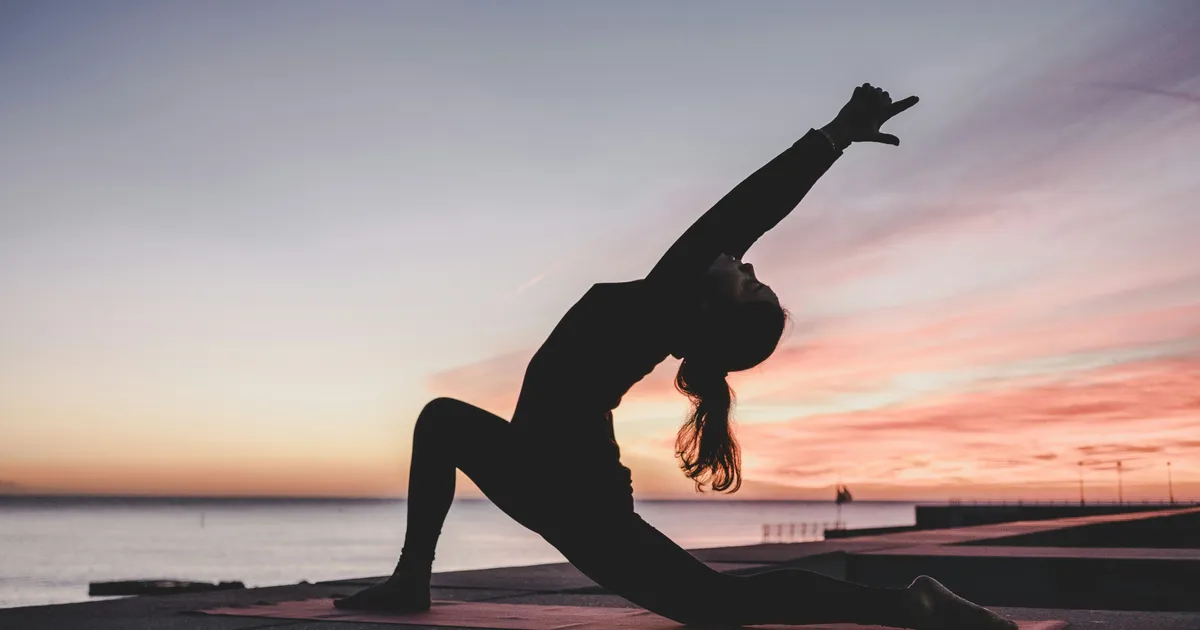
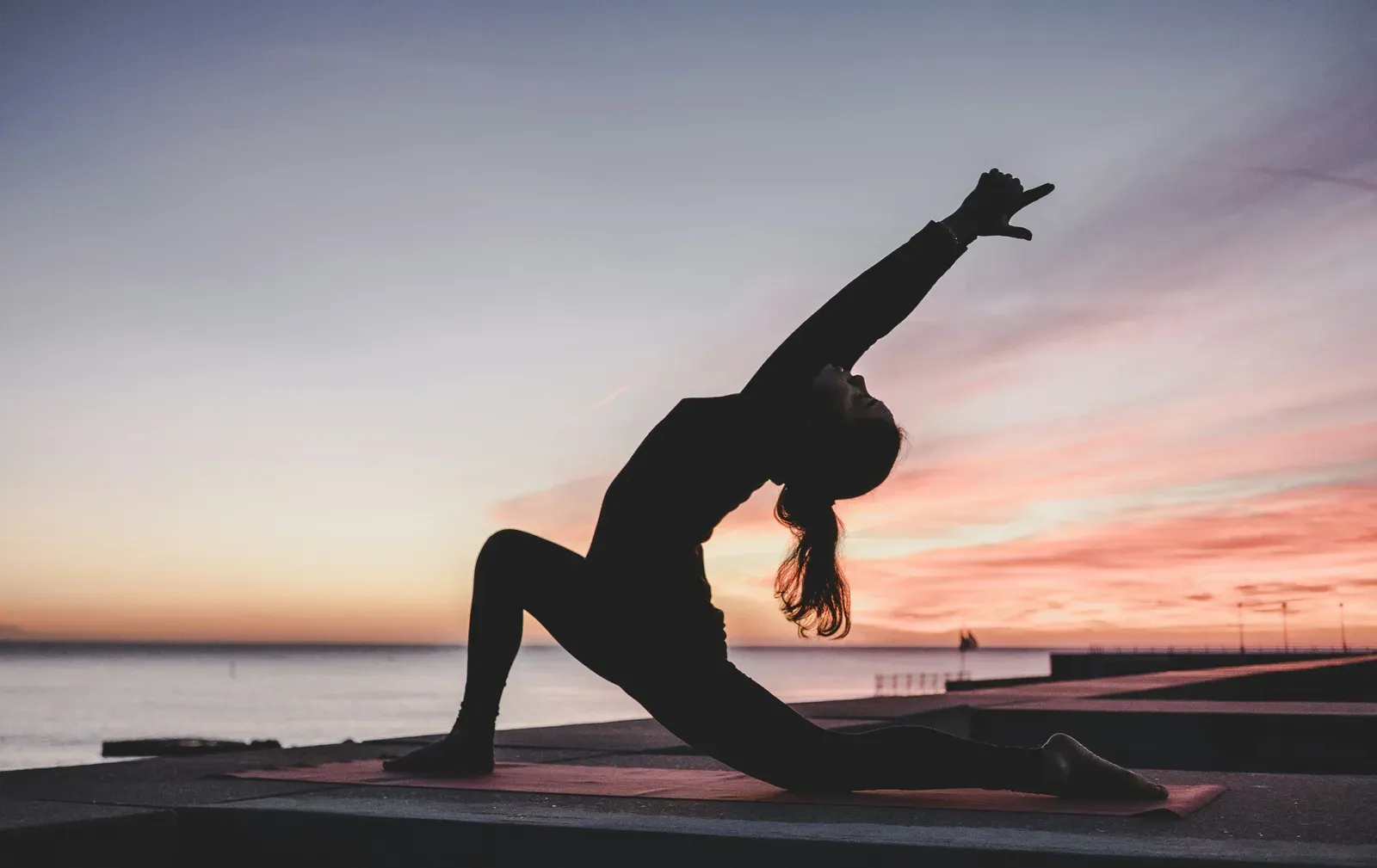
Starting a yoga practice can feel overwhelming, especially when you’re bombarded with images of advanced practitioners twisting themselves into impossible shapes. But here’s the truth: some of the most effective core-strengthening poses are actually the simplest ones. Whether you’re looking to build stability, improve your posture, or simply feel more confident in your practice, these eight accessible poses will help you build real core strength without leaving you feeling frustrated or defeated.
The beauty of these poses lies in their simplicity - they may look basic, but they’re secretly working your entire core system, from your deep transverse abdominis to your obliques and everything in between. The best part? You don’t need any special equipment or years of experience to start seeing results.
Let’s explore these transformative poses that will help you build a strong foundation for your practice while developing that coveted core strength you’re after.
1. Modified Plank Pose (Phalakasana Variation)
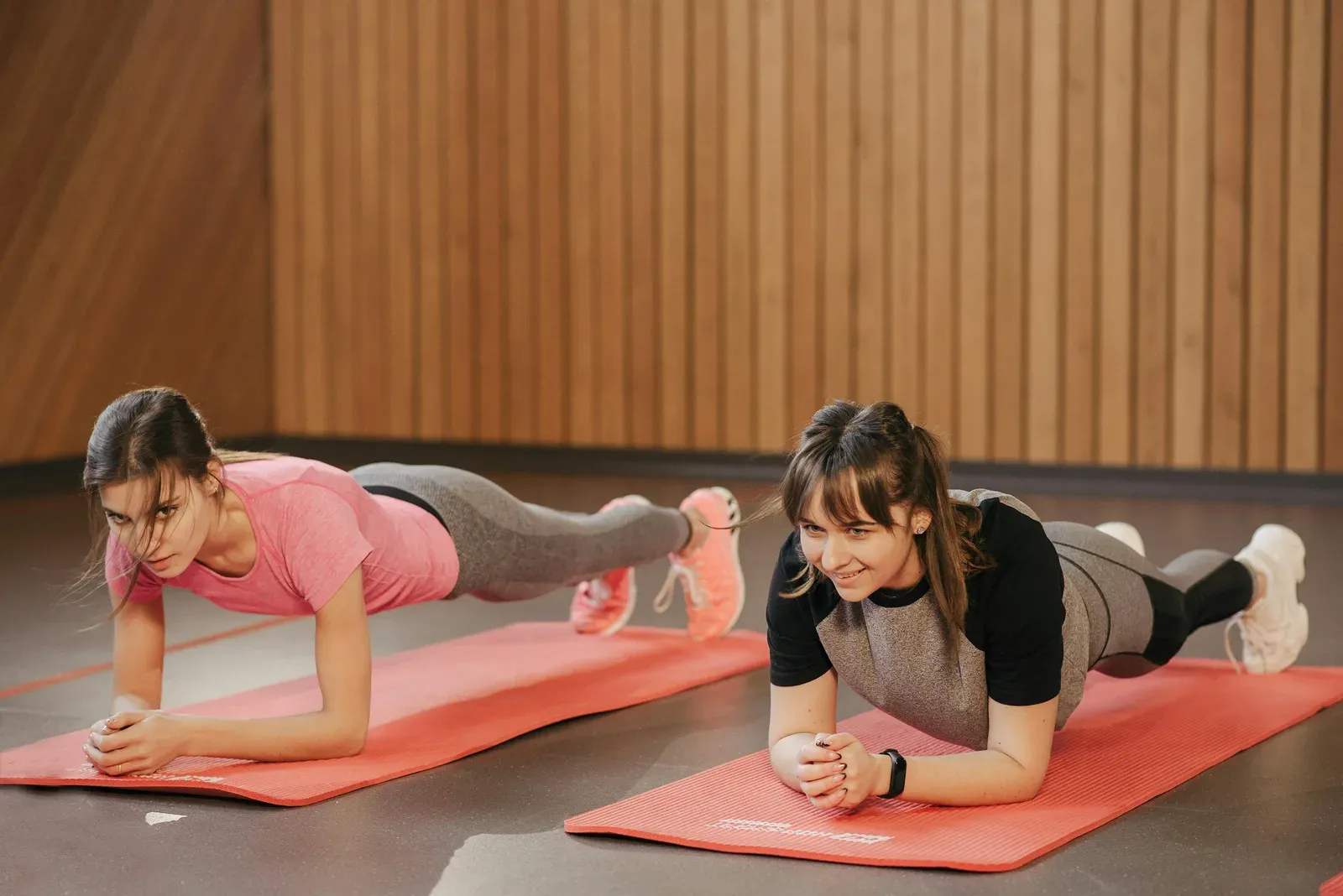
The plank pose might seem obvious, but the magic lies in the modification that makes it accessible while maintaining its core-strengthening benefits. Instead of holding a full plank on your hands, this version allows you to work from your forearms, creating a more stable base.
Perfect Your Form:
-
Start on your forearms with elbows directly under shoulders
-
Keep your knees on the ground initially
-
Create a straight line from your head to your knees
-
Engage your core by imagining pulling your belly button toward your spine
-
Hold for 10-20 seconds, gradually increasing duration
Common Mistakes to Avoid:
-
Dropping your hips too low
-
Shrugging your shoulders toward your ears
-
Holding your breath
Progressive Steps: Start with 10-second holds and gradually work up to 30 seconds. Once comfortable, try lifting one knee at a time, eventually working toward a full forearm plank. The key is building endurance while maintaining proper form.
2. Bird Dog Pose (Parsva Balasana)
This pose might look simple, but it’s a powerhouse for core stability. Bird Dog teaches you to maintain balance while moving your limbs independently - a crucial skill for more advanced poses later on.
Key Benefits:
-
Improves coordination
-
Strengthens the entire core, including the lower back
-
Enhances spine stability
-
Develops better balance
Step-by-Step Guide:
-
Begin on hands and knees in tabletop position
-
Extend right arm forward while extending left leg back
-
Keep hips level (imagine balancing a cup of tea on your lower back)
-
Hold for 3-5 breaths
-
Return to center and switch sides
Level Up Your Practice: Draw small circles with your extended limbs while maintaining stability in your core. This additional movement challenges your balance and deepens core engagement.
3. Modified Boat Pose (Navasana Variation)
Traditional Boat Pose can be intense for beginners, but this variation makes it accessible while still targeting those deep core muscles. The modification allows you to build strength gradually while maintaining proper alignment.
Setup and Execution:
-
Sit with knees bent, feet flat on the floor
-
Place hands behind thighs for support
-
Lean back slightly while keeping your spine straight
-
Lift one foot off the ground, then the other
-
Keep knees bent at 90 degrees
-
Hold for 5-10 breaths
Focus Points:
-
Keep your chest lifted
-
Maintain length in your spine
-
Breathe steadily throughout the pose
-
Feel your deep core muscles working to maintain balance
4. Bridge Pose with Core Activation (Setu Bandha Sarvangasana)
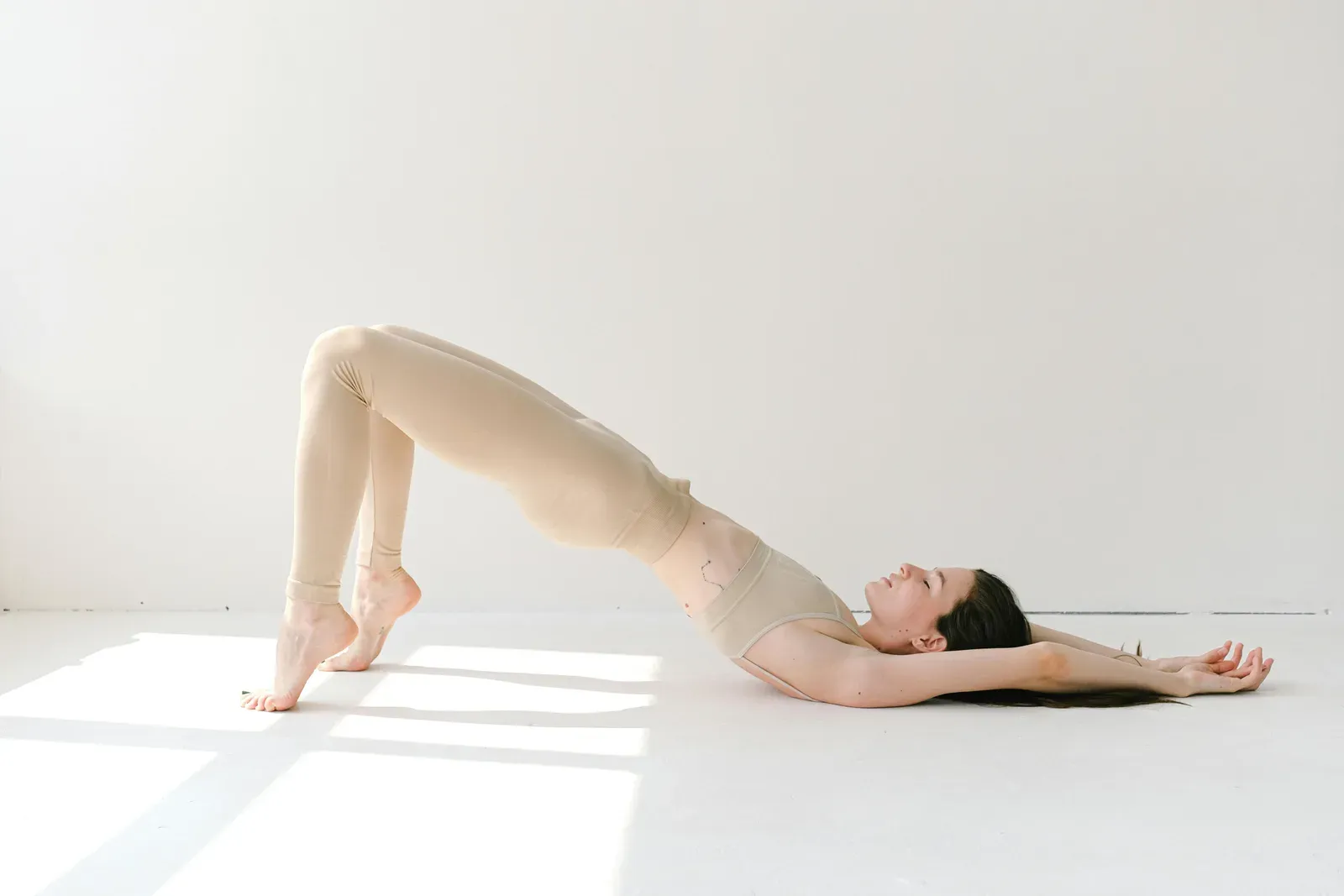
While Bridge Pose is often associated with back and hip strength, this variation specifically targets core engagement through mindful activation and subtle movements.
Enhanced Bridge Technique:
-
Lie on your back with knees bent, feet hip-width apart
-
Press your lower back into the mat before lifting
-
Engage your core by drawing your ribs toward your hips
-
Lift your hips slowly, focusing on using your core rather than just your glutes
-
Hold at the top, maintaining core engagement
-
Optional: add small pulses while maintaining height
Progression Options:
-
Extended holds (30-60 seconds)
-
Single-leg variations
-
Marching bridges (alternating lifting each foot)
5. Modified Side Plank (Vasisthasana Preparation)
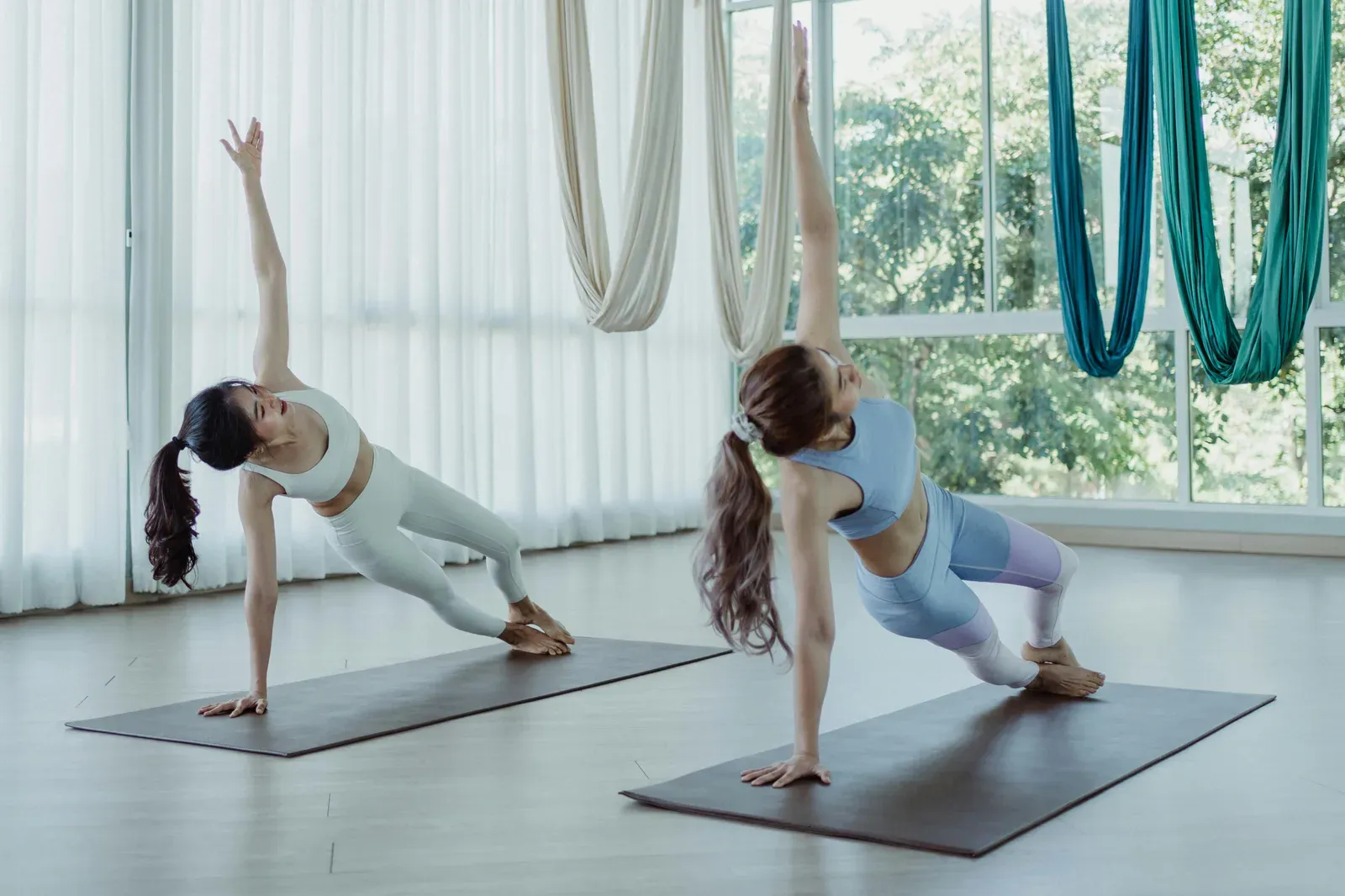
This beginner-friendly version of Side Plank builds oblique strength while maintaining stability. It’s particularly effective for developing lateral core strength, which many traditional ab exercises miss.
Setup Guidelines:
-
Start on your side with knees bent
-
Prop up on your forearm, elbow under shoulder
-
Stack your hips
-
Lift your hips off the ground, keeping knees bent
-
Hold for 15-30 seconds per side
Key Focus Areas:
-
Keep your supporting shoulder away from your ear
-
Maintain a straight line from head to knees
-
Engage your obliques by thinking about drawing your ribs toward your hip
6. Cat-Cow with Core Emphasis (Marjaryasana-Bitilasana)
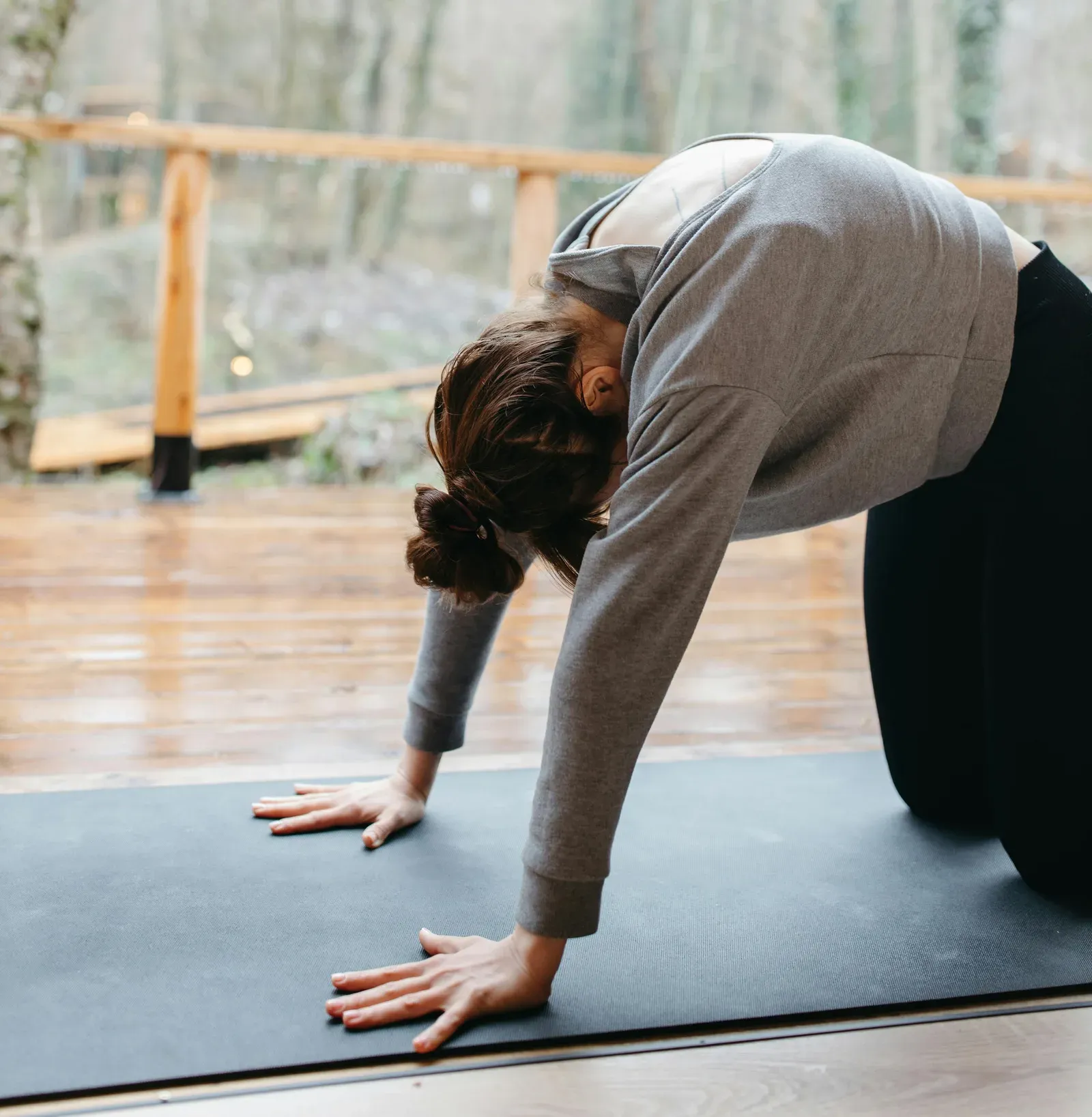
This isn’t your standard Cat-Cow sequence. By adding specific core engagement cues, this version transforms a simple warm-up into a core-strengthening exercise.
Enhanced Sequence:
-
Start in tabletop position
-
During Cat pose, pull your navel strongly toward your spine
-
In Cow, maintain some core engagement while extending
-
Move slowly and deliberately between positions
-
Add pauses in each position to increase core activation
Mindful Movement Tips:
-
Focus on articulating each vertebra
-
Keep your neck in line with your spine
-
Think about wrapping your core muscles around your torso like a corset
7. Modified Dead Bug (Lying Core Control)
This pose might not have a Sanskrit name, but it’s incredibly effective for developing core stability and coordination. It’s particularly good for learning to maintain core engagement while moving your limbs.
Execution Details:
-
Lie on your back with arms reaching toward ceiling
-
Bend knees at 90 degrees, shins parallel to floor
-
Press your lower back into the mat
-
Slowly lower one arm and opposite leg
-
Return to center and alternate sides
-
Keep your core engaged throughout the entire movement
Progress Gradually:
-
Start with small movements
-
Increase range of motion as control improves
-
Add holds at the lowest point
8. Reclined Spinal Twist with Active Core (Jathara Parivartanasana Modification)
This twist variation actively engages your core while gently stretching it. The key is maintaining control and engagement throughout the movement rather than passively dropping into the twist.
Technique Breakdown:
-
Lie on your back, arms out in T-position
-
Bend knees into chest
-
Lower knees to one side while keeping shoulders grounded
-
Actively control the movement using your core
-
Hold for 5-8 breaths per side
Engagement Cues:
-
Keep both shoulders connected to the mat
-
Use your obliques to control the movement
-
Think about drawing your lower ribs toward your hips
Bringing It All Together
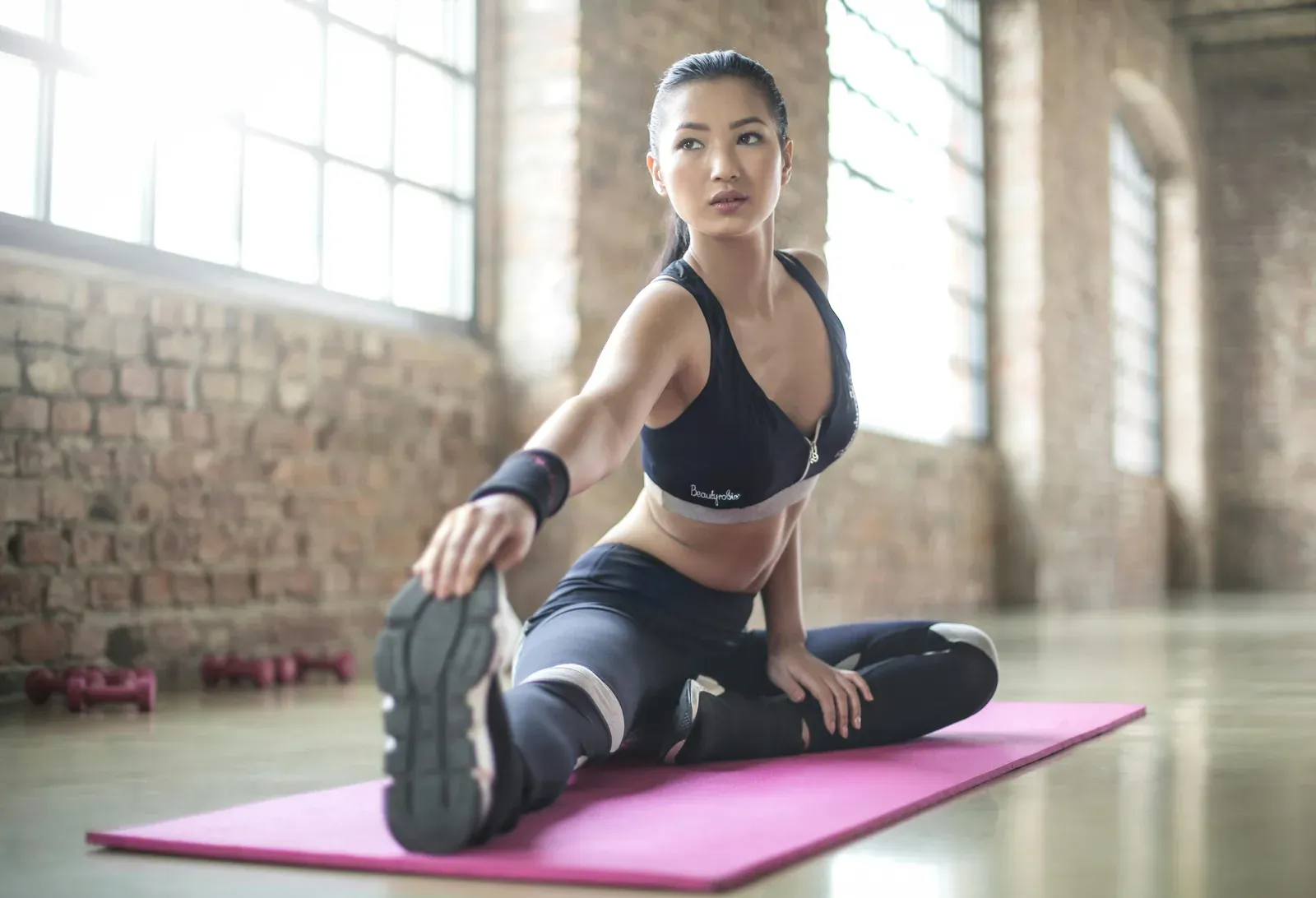
These eight poses might seem simple, but their power lies in proper execution and consistent practice. Remember that building core strength isn’t about performing the most advanced poses - it’s about developing control, stability, and awareness in your movement.
Start by practicing these poses individually, then try combining them into a flowing sequence. Aim to practice 3-4 times per week, holding each pose for the suggested duration. As you build strength and confidence, explore the progression options provided for each pose.
Remember, the journey to a stronger core is exactly that - a journey. Be patient with yourself, focus on form over intensity, and celebrate the small improvements you notice along the way. Your future practice will thank you for building this strong foundation.