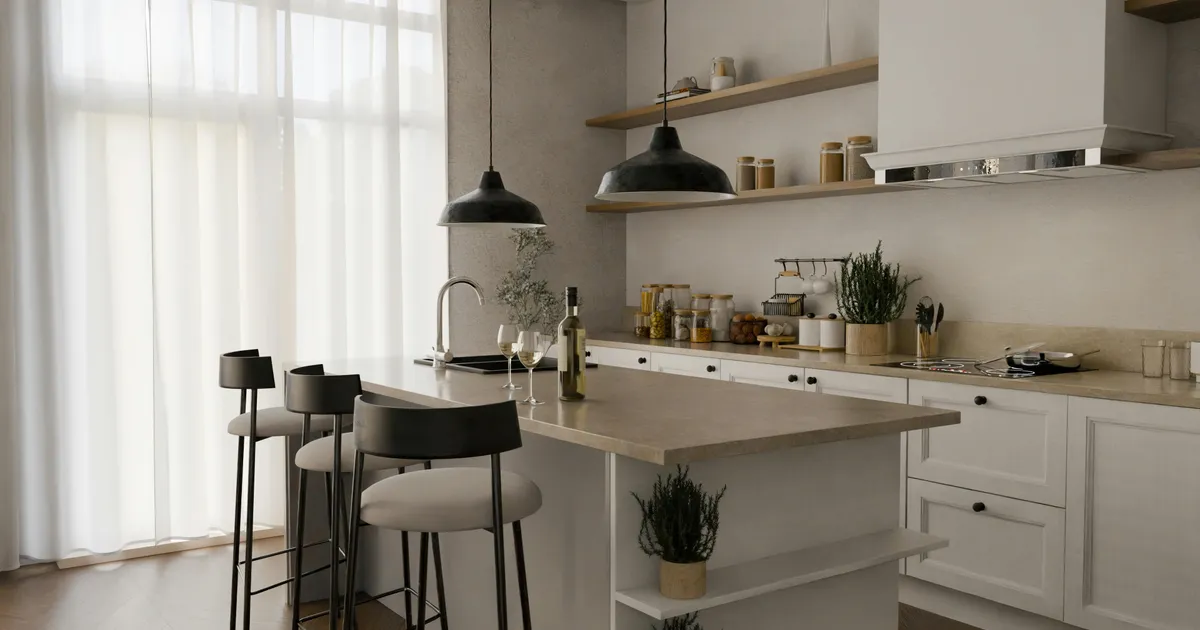
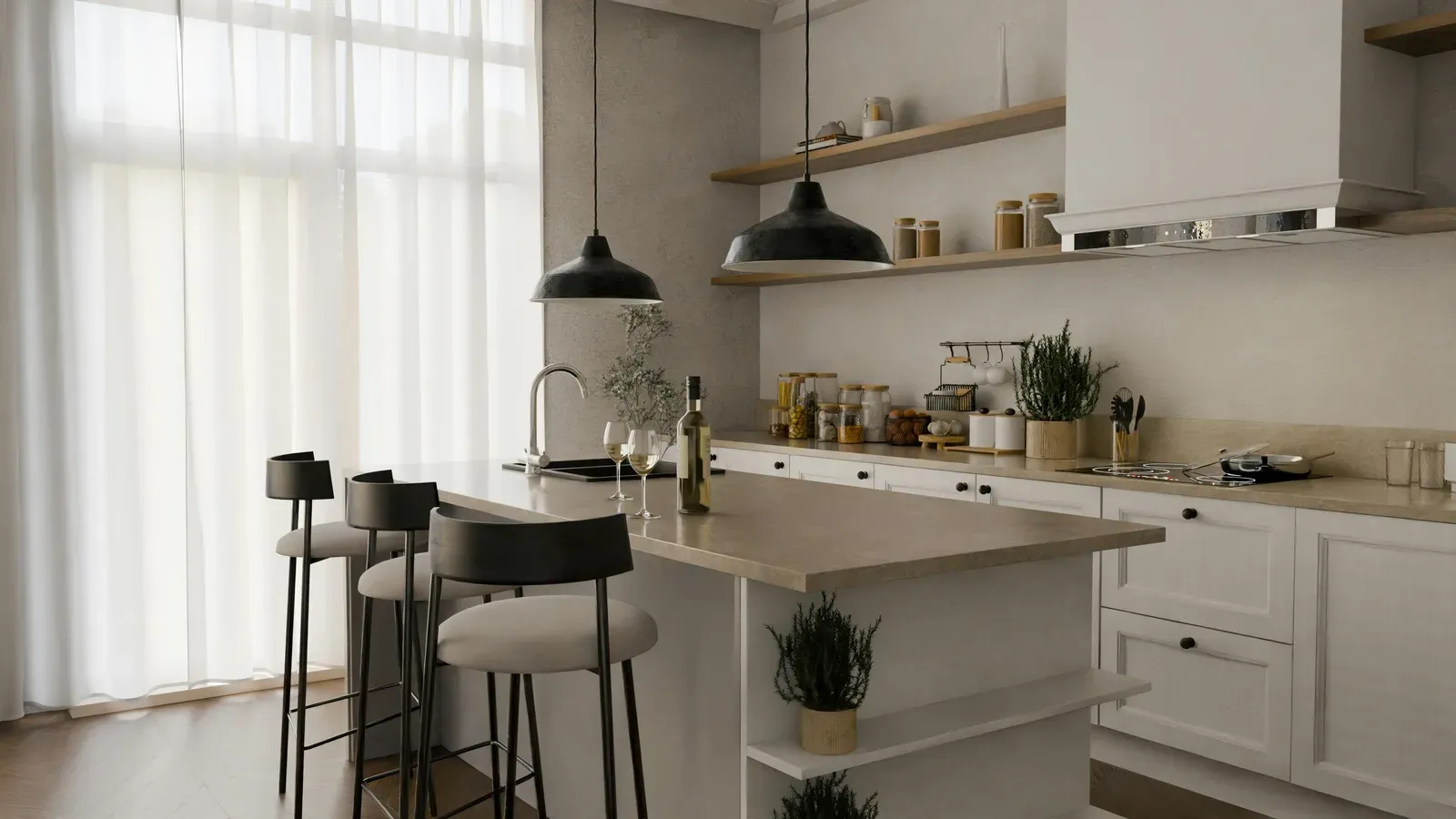
The art of interior design has evolved dramatically over the centuries, yet certain classic styles continue to captivate and inspire. Today’s homeowners are increasingly drawn to designs that honor traditional aesthetics while embracing modern functionality. This renaissance of classic design isn’t about merely replicating the past—it’s about reimagining timeless elements for contemporary living.
As our homes become more than just living spaces—serving as offices, entertainment hubs, and sanctuaries—the need to blend classic beauty with modern practicality has never been more relevant. The key lies in understanding how to preserve the essence of traditional design while incorporating smart technology, sustainable materials, and current lifestyle needs. Whether you’re renovating a historic property or adding character to a modern space, these updated classic styles offer the perfect balance of timeless elegance and contemporary comfort.
1. Modern Victorian
The ornate details of Victorian design meet minimalist sensibilities in this updated style. Rather than overwhelming spaces with decorative elements, modern Victorian homes strategically use statement pieces against clean backgrounds. Think crown molding and ceiling medallions paired with contemporary lighting fixtures, or traditional Victorian furniture silhouettes upholstered in bold, modern fabrics. Smart home technology is discretely integrated, hiding behind period-appropriate switch plates and fixtures.
2. Contemporary Colonial
Today’s Colonial style maintains the symmetry and formal structure of its origins while embracing open-concept living. The traditional center-hall layout evolves to incorporate flexible spaces that can transform from formal dining rooms to home offices. Modern interpretations feature larger windows for natural light, while maintaining the classic multi-pane design. Built-in cabinetry now includes charging stations and media storage, seamlessly blending old-world craftsmanship with modern needs.
3. Neo-Mediterranean
Mediterranean style gets a fresh twist with a more restrained approach to ornamentation. The warm, earthy palette remains, but with cleaner lines and more neutral tones as foundational elements. Traditional terracotta tiles might be used as accent pieces rather than throughout, while wrought iron details are simplified for a more contemporary look. Modern Mediterranean spaces incorporate sustainable materials that mimic traditional elements, like porcelain tiles that replicate centuries-old stone.
4. Industrial Baroque
This bold fusion style combines the ornate characteristics of Baroque design with industrial elements. Elaborate gold frames and crystal chandeliers coexist with exposed brick and metal ductwork. The traditional heavy draperies are replaced with simpler window treatments, while baroque furniture pieces are reupholstered in contemporary fabrics like leather or performance velvet. The result is a dramatic yet livable space that feels both grand and grounded.
5. Minimalist Georgian
Georgian architecture’s mathematical precision finds new expression through minimalist interpretation. The style’s signature symmetry remains but with simplified moldings and cleaner lines. Traditional paneled walls might be rendered in modern materials, while classic Georgian proportions are maintained with built-in storage that disappears into walls. Color palettes shift from deep jewel tones to sophisticated neutrals with occasional bold accents.
6. Scandinavian Traditional
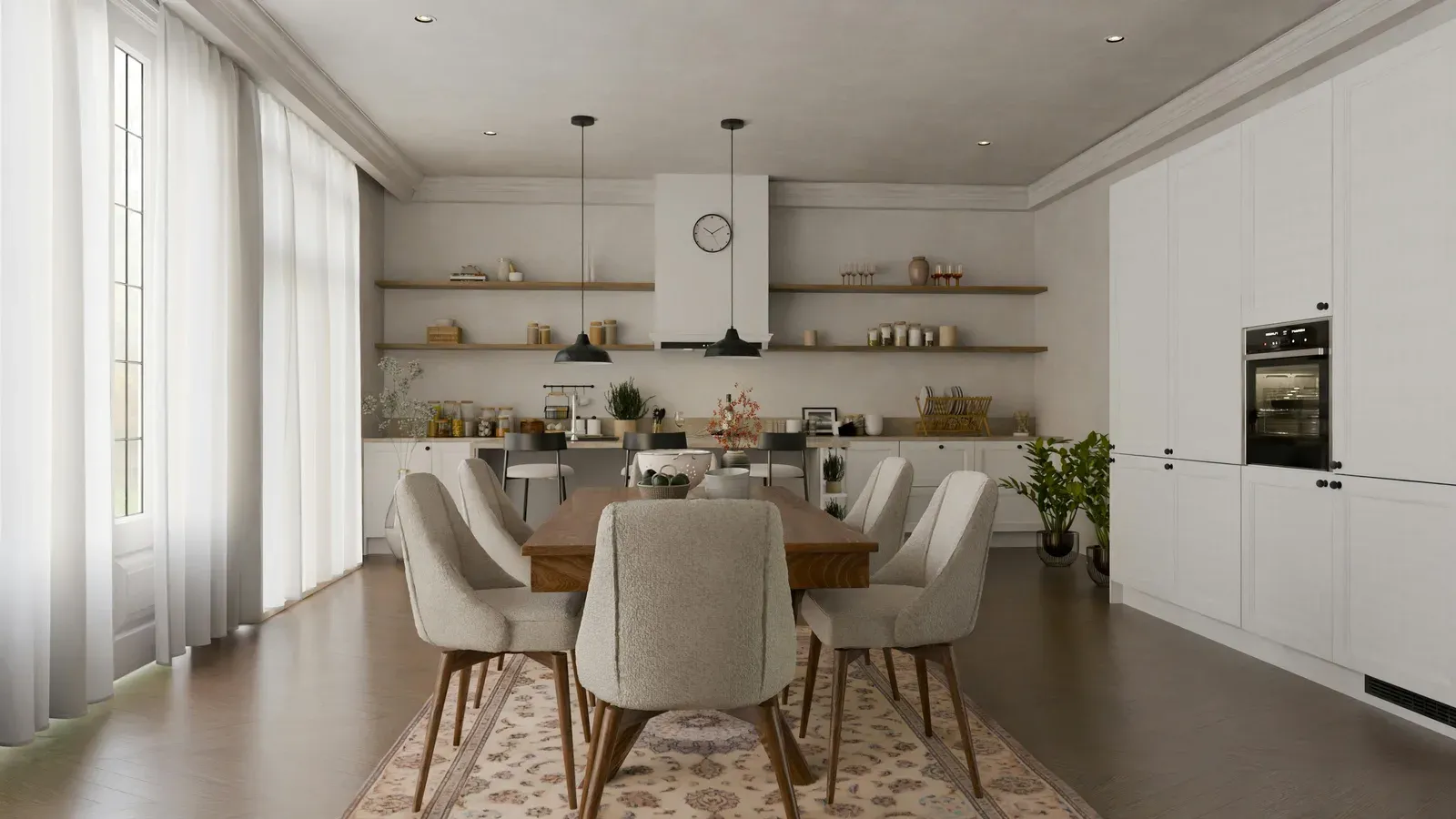
This style marries American traditional furniture forms with Scandinavian simplicity. Classic pieces are stripped of excess ornamentation and reinterpreted in lighter woods and neutral fabrics. Traditional patterns appear in more subtle colorways, while vintage pieces are thoughtfully mixed with modern Scandinavian designs. The result feels collected over time yet thoroughly contemporary.
7. Japandi Colonial
Japanese minimalism meets Colonial American architecture in this innovative fusion. Shoji-inspired screens replace traditional Colonial interior shutters, while rice paper-style lighting fixtures add soft illumination to formal spaces. The Colonial emphasis on woodwork remains but is simplified and lighter in tone, following Japanese aesthetic principles. Traditional tatami rooms might be reinterpreted as meditation spaces within a Colonial framework.
8. Modern Art Deco
Art Deco’s glamorous geometry gets a contemporary update through simplified forms and new materials. Instead of excessive gilding, modern interpretations use metallic accents strategically. Characteristic stepped forms appear in built-in furniture that conceals modern technology, while traditional chrome and glass elements are paired with contemporary LED lighting for dramatic effect.
9. Digital Craftsman
The Craftsman style’s celebration of handwork meets digital-age functionality. Traditional built-ins now incorporate charging stations and media storage, while maintaining their characteristic wood grain and joinery. Smart home technology is integrated behind quarter-sawn oak panels, and traditional stained glass patterns are simplified for a more contemporary look. LED lighting systems highlight architectural details while providing practical illumination.
10. Eco-Tudor
Tudor revival homes embrace sustainable materials while maintaining their characteristic charm. Modern eco-friendly materials mimic traditional half-timbering, while improved insulation methods preserve the aesthetic without sacrificing energy efficiency. Interior spaces maintain Tudor proportions but incorporate sustainable materials and energy-efficient windows designed to complement the traditional style.
11. Smart French Country
French Country warmth meets smart home technology in this updated classic. Traditional armoires are redesigned to house modern entertainment systems, while vintage-style light fixtures incorporate smart bulbs. The characteristic mix of patterns is updated with more geometric designs, and traditional toile patterns are reimagined in contemporary colorways.
12. Contemporary Regency
The grandeur of Regency style is streamlined for modern living. Elaborate gilt mirrors and crystal chandeliers are used as statement pieces against simpler backgrounds. Traditional furniture silhouettes are updated with contemporary fabrics and finishes, while classic architectural details are simplified for a cleaner look.
13. Bohemian Federal
Federal style architecture provides a refined backdrop for eclectic, bohemian furnishings. Traditional architectural elements remain intact while interiors embrace a more relaxed, collected feel. Global textiles and artifacts mix with period-appropriate furniture, creating spaces that feel both historically grounded and personally expressive.
14. Modern Rococo
Rococo’s characteristic curves and ornamental details are selectively used in contemporary spaces. Instead of full-room treatments, rococo elements appear as artistic accents against modern minimalist backgrounds. Traditional gilding is replaced with subtle metallic finishes, and ornate furniture pieces become sculptural focal points in otherwise simple rooms.
15. Tech-Integrated Gothic
Gothic architecture’s dramatic elements are preserved while incorporating modern technology. Traditional pointed arches frame smart mirrors, while gothic tracery patterns conceal speaker systems. LED lighting highlights architectural details, and modern materials are used to create traditional gothic elements with improved durability and maintenance.
16. Sustainable Spanish Revival
Spanish Revival’s romantic aesthetics meet eco-conscious materials and methods. Traditional terracotta tiles are solar-powered, while characteristic arched doorways incorporate energy-efficient glass. Modern, sustainable materials replicate traditional textures, and water-wise Mediterranean gardens complement the architecture.
17. Biophilic Beaux-Arts
Beaux-Arts grandeur is softened and enlivened with natural elements. Living walls replace traditional tapestries, while classic symmetry is maintained through thoughtfully placed plantings. Ornate architectural details are balanced with organic materials and forms, creating spaces that feel both grand and grounded.
18. Modern Prairie
Prairie style’s horizontal lines and natural materials are updated for contemporary living. Open floor plans become even more fluid, while built-in furniture incorporates current technology needs. Traditional stained glass patterns are simplified and rendered in modern materials, maintaining their role as artistic elements while improving energy efficiency.
19. Adaptive Renaissance
Renaissance architecture’s classical elements are reinterpreted for modern functionality. Traditional proportions guide the placement of modern amenities, while classic materials are updated with contemporary finishes. Formal spaces become flexible, multi-use areas without losing their architectural dignity.
20. Neo-Neoclassical
Neoclassical design principles are simplified and streamlined. Classical columns and pediments appear in streamlined forms, while traditional symmetry guides furniture placement. Modern technology is integrated behind classical panels, and traditional materials are updated with more sustainable alternatives.
21. Modernist Colonial Revival
Colonial Revival forms are stripped to their essentials and reimagined. Traditional elements are reduced to their basic geometric forms, while maintaining their historic proportions. Modern materials and technology are integrated seamlessly, respecting the style’s heritage while embracing contemporary function.
22. Digital Baroque
Baroque’s dramatic flair meets digital-age functionality. Traditional ornamentation is selective and strategic, while modern technology is concealed behind period-appropriate panels. Characteristic curves and patterns appear in simplified forms, creating drama without overwhelming the space.
23. Minimal Romanesque
Romanesque architecture’s robust forms are simplified for contemporary tastes. Heavy stone arches might be rendered in lighter materials, while maintaining their dramatic impact. Traditional elements are reduced to essential forms, creating spaces that feel both historic and thoroughly modern.
24. Smart Greek Revival
Greek Revival’s classical elements incorporate modern technology. Traditional columns might conceal smart home systems, while pediments frame energy-efficient windows. The style’s characteristic symmetry guides the placement of modern amenities, maintaining classical proportions while embracing contemporary function.
25. Contemporary Arts and Crafts
Arts and Crafts principles of craftsmanship meet modern manufacturing methods. Traditional handcrafted elements are produced using contemporary techniques while maintaining their artistic integrity. Built-in furniture incorporates current technology needs while preserving the style’s emphasis on quality and natural materials.
Embracing the Future While Honoring the Past
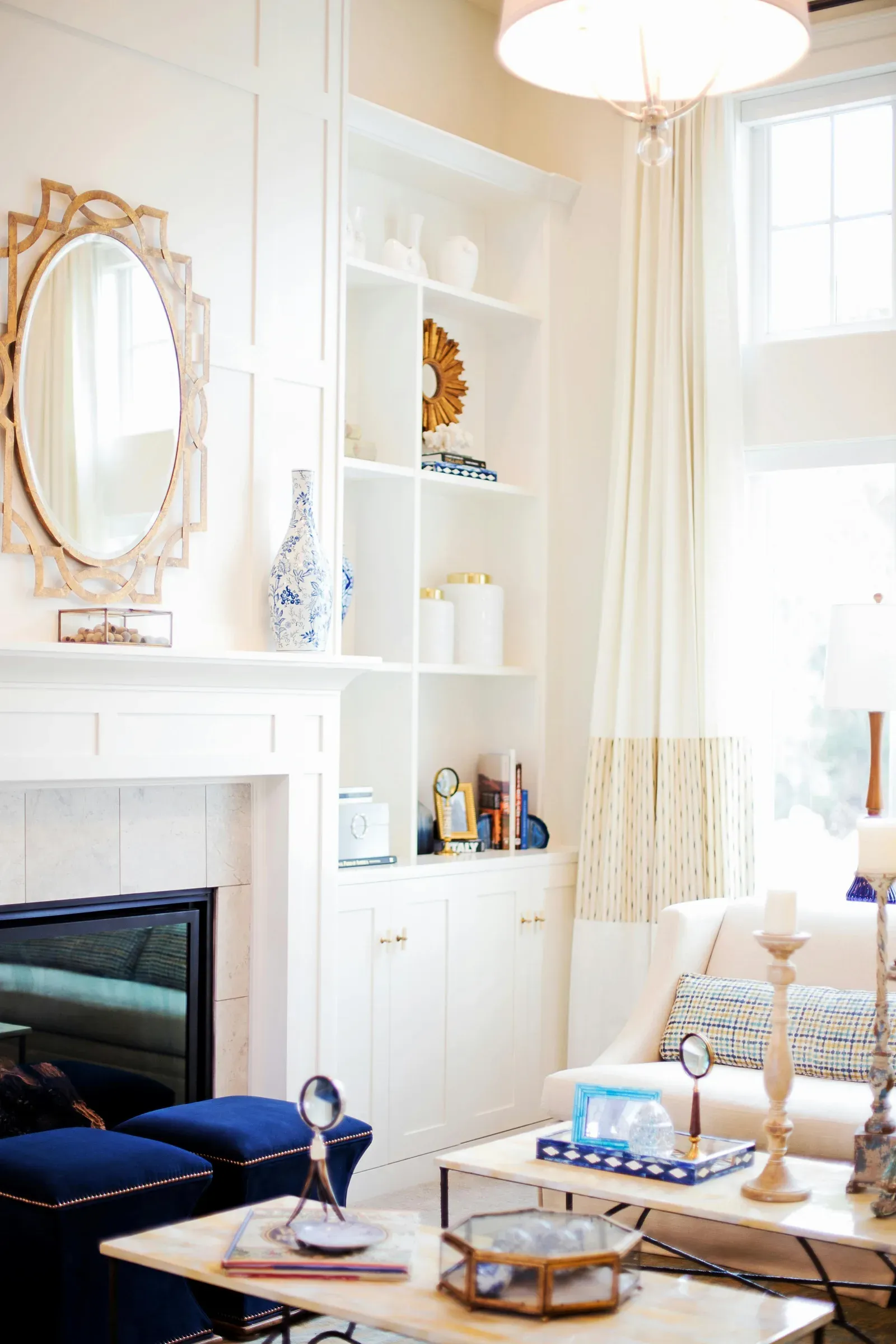
The evolution of classic interior design styles demonstrates that tradition and innovation need not be at odds. The most successful modern interpretations maintain the essence of historical styles while seamlessly incorporating contemporary needs and technologies. As we continue to adapt our homes to changing lifestyles, these updated classics offer valuable lessons in balancing preservation with progress.
Remember that the most enduring designs are those that serve both practical needs and aesthetic desires. Whether you’re drawn to the grandeur of updated Baroque or the simplicity of modern Colonial, the key is to create spaces that respect historical precedent while embracing the future. By thoughtfully combining classic elements with modern conveniences, you can create a home that feels both timeless and thoroughly contemporary.